



Customer support
strength training
Strength training has long been regarded as one of the most effective ways to improve physical fitness, build muscle, and enhance overall health. Whether you're an athlete looking to boost performance, someone aiming to lose weight, or just interested in maintaining a healthy lifestyle, strength training can be a key component of your workout regimen.
In this blog, we'll explore the various aspects of strength training, including its benefits, types of exercises, and tips for incorporating it into your fitness routine. By the end, you’ll understand why strength training is essential for people of all ages and fitness levels.
What is Strength Training?
At its core, strength training (also known as resistance training) involves exercises that require your muscles to work against an external force. This force can come from weights, resistance bands, or even your own body weight. The goal is to progressively overload your muscles, causing them to adapt and grow stronger over time.
Unlike cardio, which primarily focuses on the heart and lungs, strength training targets your muscles, tendons, and bones. It helps increase muscle mass, improve endurance, and build a more toned physique. Common strength training exercises include lifting weights, performing bodyweight exercises like push-ups or squats, and using gym machines that target specific muscle groups.
Benefits of Strength Training
1. Increased Muscle Mass
One of the most obvious benefits of strength training is its ability to increase muscle mass. When you engage in resistance exercises, your muscles experience small tears that, when repaired, lead to growth. This process, known as muscle hypertrophy, helps you gain lean muscle tissue, which in turn increases your overall strength and power.
Muscle mass is important not only for aesthetic purposes but also for maintaining a healthy metabolism. As muscle tissue is more metabolically active than fat, the more muscle you have, the more calories your body burns at rest. This makes strength training an essential tool for anyone looking to lose weight or maintain a healthy body composition.
2. Improved Bone Health
Strength training is also incredibly beneficial for bone health. As you age, your bone density naturally decreases, increasing the risk of osteoporosis and fractures. However, regular resistance training helps slow down this process by stimulating bone growth and strengthening the skeletal system.
When you perform weight-bearing exercises, the muscles attached to your bones pull on them, which encourages bone cells to regenerate. This process helps maintain or even increase bone density, reducing the risk of injury and improving overall longevity.
3. Enhanced Joint Flexibility and Stability
Contrary to the misconception that strength training can make you "bulky" and less flexible, incorporating strength exercises can actually enhance joint flexibility and stability. By working on different muscle groups, particularly those around your joints, strength training helps maintain mobility and reduces the risk of injury.
For example, exercises like squats and lunges not only strengthen the muscles in your legs but also improve the range of motion in your hips, knees, and ankles. This added stability is crucial for preventing falls and maintaining balance, especially as you age.
4. Increased Metabolic Rate
Strength training can also lead to an increase in your metabolic rate, meaning your body burns more calories throughout the day. Unlike cardio exercises, which primarily burn calories during the workout itself, strength training continues to boost your metabolism long after your session ends. This phenomenon, known as the afterburn effect (or excess post-exercise oxygen consumption, EPOC), occurs as your body repairs the muscles worked during training.
This makes strength training a powerful tool for weight management and fat loss, as it not only helps you burn calories during the workout but also for hours afterward.
5. Mental Health Benefits
In addition to its physical benefits, strength training can also have a positive impact on your mental health. Studies have shown that engaging in regular resistance training can help reduce symptoms of anxiety and depression while boosting self-esteem. The sense of accomplishment that comes from lifting heavier weights or completing a challenging workout can also improve your overall mood and confidence.
Strength training has also been linked to improved cognitive function, as it stimulates the release of brain-derived neurotrophic factor (BDNF), a protein that supports the growth and survival of brain cells. This can lead to better focus, memory, and mental clarity, making strength training not only beneficial for your body but also your mind.
Types of Strength Training Exercises
1. Bodyweight Exercises
Bodyweight exercises are an excellent way to get started with strength training, especially for beginners. These exercises use your own body as resistance and can be done anywhere without the need for special equipment. Common bodyweight exercises include:
- Push-ups: Target your chest, shoulders, and triceps.
- Squats: Work your legs, glutes, and core.
- Planks: Strengthen your core muscles, including your abs and lower back.
- Lunges: Focus on your legs and glutes while also improving balance.
Bodyweight exercises are a great way to build a solid foundation of strength before moving on to heavier weights or more complex movements.
2. Free Weights
Free weights, such as dumbbells and barbells, are a popular choice for strength training because they allow for a wide range of motion and target multiple muscle groups at once. Some of the most effective free weight exercises include:
- Deadlifts: Strengthen your back, legs, and core.
- Bench Press: Target your chest, shoulders, and triceps.
- Dumbbell Rows: Focus on your back and biceps.
- Overhead Press: Work your shoulders, triceps, and upper chest.
When using free weights, it's essential to maintain proper form to avoid injury and ensure that you're working the right muscles. Start with lighter weights and gradually increase the load as you become more comfortable with the movements.
3. Resistance Machines
For those who prefer a more controlled environment, resistance machines are a great option for strength training. These machines are designed to guide your movements, making them ideal for beginners or those recovering from an injury. Some common resistance machines include:
- Leg Press Machine: Targets your quads, hamstrings, and glutes.
- Lat Pulldown Machine: Works your back and biceps.
- Chest Press Machine: Focuses on your chest and triceps.
- Cable Machine: Offers a variety of exercises for different muscle groups, from biceps curls to cable rows.
Resistance machines are often found in gyms and provide a safe, structured way to engage in strength training without the need for a spotter.
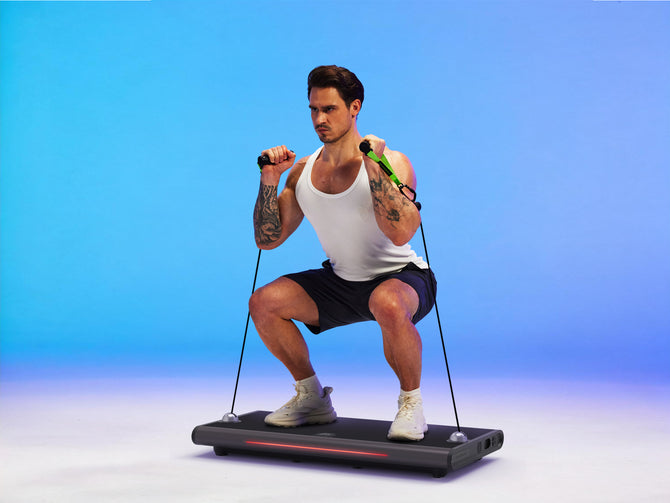
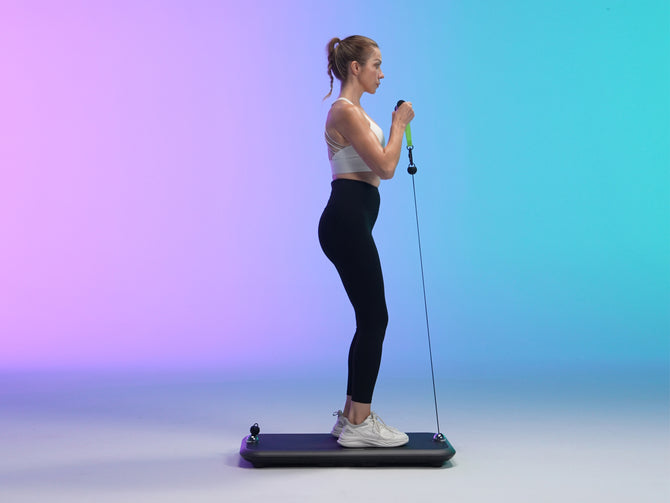
4. Resistance Bands
Resistance bands are a versatile and affordable option for strength training that can be used at home or on the go. These elastic bands provide varying levels of resistance, allowing you to adjust the intensity of your workout. Some exercises you can do with resistance bands include:
- Banded Squats: Add resistance to your squats to increase difficulty.
- Banded Push-ups: Enhance your upper body workout by adding tension to the movement.
- Banded Glute Bridges: Strengthen your glutes and hamstrings.
Resistance bands are particularly useful for targeting smaller muscle groups and improving mobility.
How to Incorporate Strength Training Into Your Routine
1. Start with a Plan
Before diving into strength training, it's essential to have a structured plan in place. Decide how many days a week you can commit to training and what areas of your body you want to focus on. For beginners, aim to include strength training at least two to three times a week, targeting different muscle groups on different days (e.g., upper body one day, lower body the next).
2. Progress Gradually
Progressive overload is the key to seeing results in strength training. Start with lighter weights or lower resistance and gradually increase the load as you become stronger. This will not only help prevent injury but also ensure that you're continuously challenging your muscles.
3. Focus on Form
Good form is crucial in strength training to prevent injury and ensure you're targeting the right muscles. If you're unsure about your technique, consider working with a certified personal trainer or watching instructional videos to learn the correct form for each exercise.
4. Combine Strength Training with Cardio
While strength training is essential for building muscle, combining it with cardiovascular exercise can help improve your overall fitness and enhance fat loss. Consider alternating between strength and cardio days or incorporating short bursts of cardio, such as sprints, into your strength training sessions.
Still need a hand?
Send us the order number and what happened. A real person on the INNODIGYM team will pick it up.


