


Customer support
How to Do RDLs: A Complete Guide to Romanian Deadlifts
Romanian Deadlifts (RDLs) are one of the most effective exercises for building posterior chain strength, targeting the hamstrings, glutes, and lower back. Whether you're training for muscle gain, improving athletic performance, or increasing flexibility, mastering how to do RDLs is essential. This guide will walk you through the proper form and key tips to maximize the effectiveness of your RDLs.
What Are Romanian Deadlifts (RDLs)?
The Romanian Deadlift is a variation of the conventional deadlift, focusing on the eccentric phase of the movement. Unlike traditional deadlifts that involve lifting from the floor, RDLs start from a standing position and emphasize hinging at the hips while keeping the knees slightly bent. This movement engages the hamstrings and glutes more effectively, helping to build strength and stability in the lower body.
Step-by-Step Guide on How to Do RDLs
-
Starting Position:
- Stand with your feet hip-width apart, with a slight bend in your knees.
- Grip the barbell (or dumbbells) with both hands, keeping your arms straight.
- Ensure your back is straight and your chest is lifted, maintaining a neutral spine.
-
The Hinge:
- Slowly push your hips back while keeping the barbell close to your body.
- Lower the barbell by hinging at the hips, not bending at the waist.
- Keep your knees slightly bent throughout the movement.
-
Reach the Bottom:
- Lower the barbell to about knee level or just below, depending on your mobility. You should feel a stretch in your hamstrings.
- Be sure to avoid rounding your back. Your chest should stay open and your shoulders should move naturally with the movement.
-
Return to Starting Position:
- Push through your heels to reverse the motion, bringing your hips forward and returning to a standing position.
- Squeeze your glutes at the top, ensuring your body is fully aligned with the floor.
Common Mistakes to Avoid
- Rounding the back: Always maintain a neutral spine to avoid putting unnecessary strain on your lower back.
- Locking the knees: While RDLs require a slight bend in the knees, keep them relaxed and avoid straightening them completely.
- Overextending: Don’t lower the barbell too far. Focus on the stretch and contraction of your hamstrings rather than going too deep.
Benefits of RDLs
- Hamstring and Glute Development: RDLs are excellent for strengthening the posterior chain, particularly the hamstrings and glutes.
- Improved Flexibility: The movement helps increase hamstring flexibility and lower back mobility.
- Injury Prevention: By strengthening the posterior chain, RDLs can help reduce the risk of injuries, especially in athletes and those who perform activities requiring explosive movements.
How RDLs Fit Into Your Workout Routine
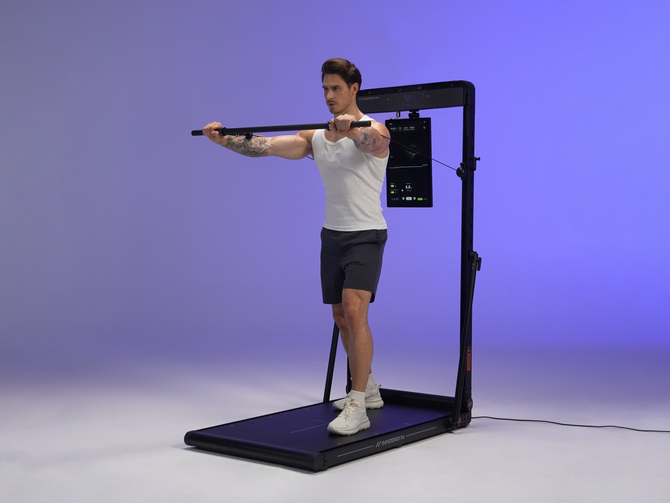
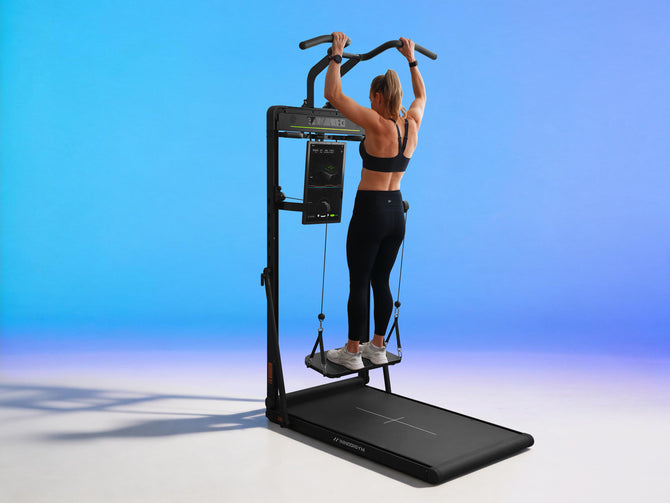
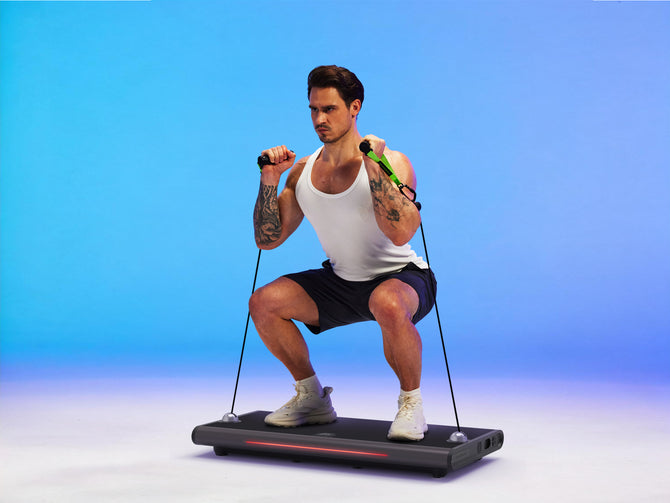
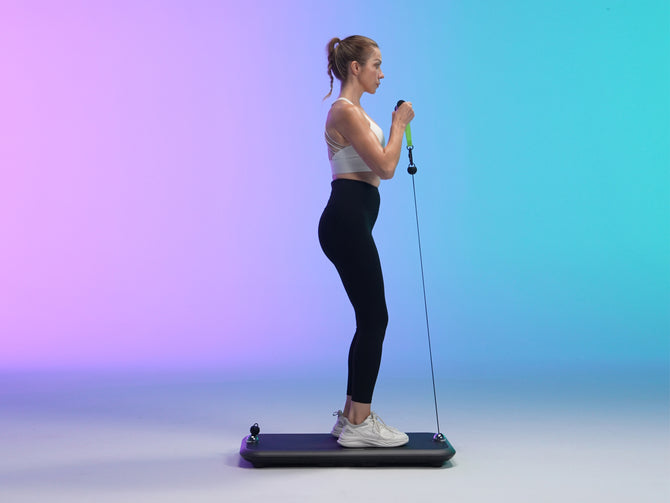
RDLs are an excellent compound movement to include in your lower body training routine. They can be done with a home gym machine or free weights, making them versatile for home or gym workouts. Pair RDLs with other exercises like squats, lunges, or hip thrusts for a well-rounded lower body workout.
Still need a hand?
Send us the order number and what happened. A real person on the INNODIGYM team will pick it up.


