

Customer support
Fitness Equipment
Investing in quality fitness equipment is a key step toward achieving your fitness goals, whether you’re a beginner or an experienced athlete. From cardio machines like treadmills and stationary bikes to strength-training gear like dumbbells and resistance bands, choosing the right tools can enhance your workouts and ensure you stay motivated.
Understanding Different Types of Fitness Equipment
The variety of fitness equipment available today is immense. To simplify things, we can divide fitness equipment into three main categories: cardio, strength training, and functional fitness gear. Each type plays a crucial role in developing different aspects of physical fitness.
1. Cardio Fitness Equipment
Cardio equipment is designed to improve cardiovascular endurance, burn calories, and help with fat loss. Some popular options include:
-
Treadmills: One of the most popular pieces of home fitness equipment, treadmills allow you to walk, jog, or run indoors. Many models come with features like adjustable incline and pre-set workout programs.
-
Stationary Bikes: Both upright and recumbent bikes are excellent for low-impact cardiovascular workouts. They are ideal for users with joint issues, providing a safe and effective way to get your heart pumping.
-
Elliptical Trainers: Offering a full-body workout, ellipticals engage both the upper and lower body with minimal impact on joints. They are great for users looking to burn calories and tone muscles simultaneously.
-
Rowing Machines: Rowers provide an intense cardio workout while also engaging your core, legs, and upper body. They are a fantastic option for improving overall endurance and building muscle.
2. Strength Training Equipment
Strength training is vital for building muscle, improving bone density, and boosting metabolism. A well-rounded fitness routine should incorporate resistance exercises to target all major muscle groups. Key strength training equipment includes:
-
Dumbbells: Free weights such as dumbbells are versatile and allow you to perform a wide range of exercises. They come in various weights, making them suitable for all fitness levels.
-
Barbells and Weight Plates: For those who are serious about strength training, barbells combined with adjustable weight plates provide endless workout variations. Barbell exercises like deadlifts, squats, and bench presses are foundational for building muscle.
-
Kettlebells: Kettlebells are a dynamic tool for functional strength and endurance training. They are perfect for exercises like kettlebell swings, snatches, and Turkish get-ups, which work multiple muscle groups at once.
-
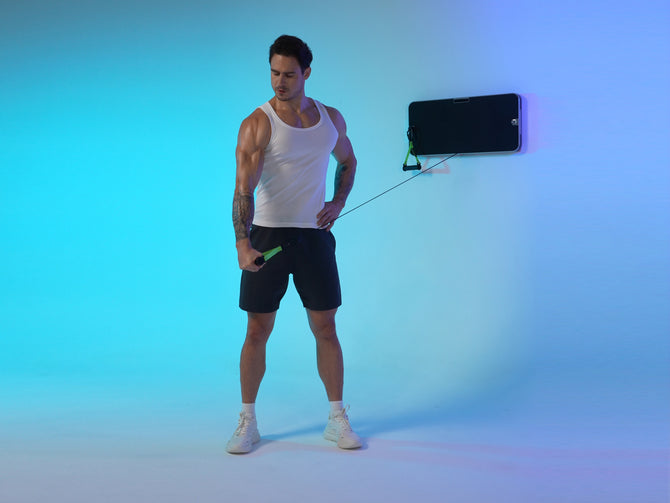
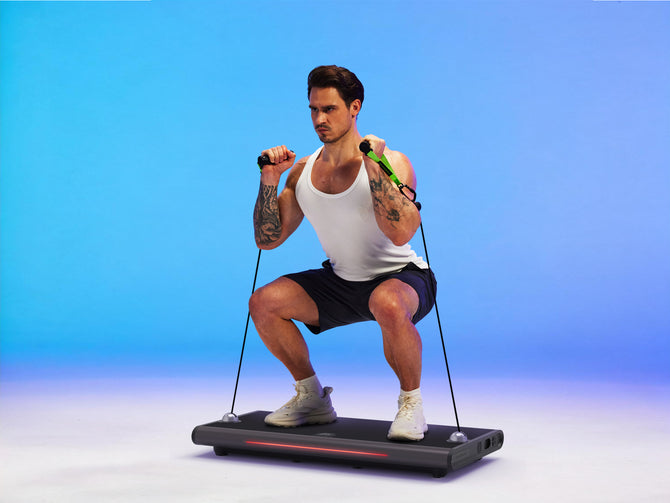
Resistance Bands: These portable, inexpensive tools provide variable resistance throughout the range of motion. They’re great for both beginners and advanced athletes and can be used for rehab, strength training, or mobility work.
-
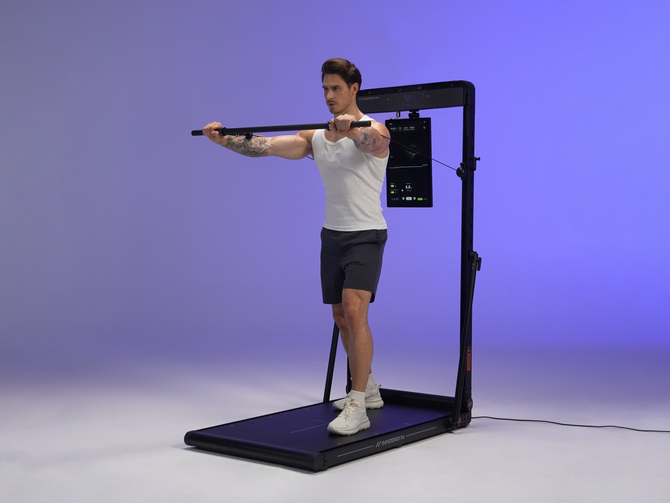
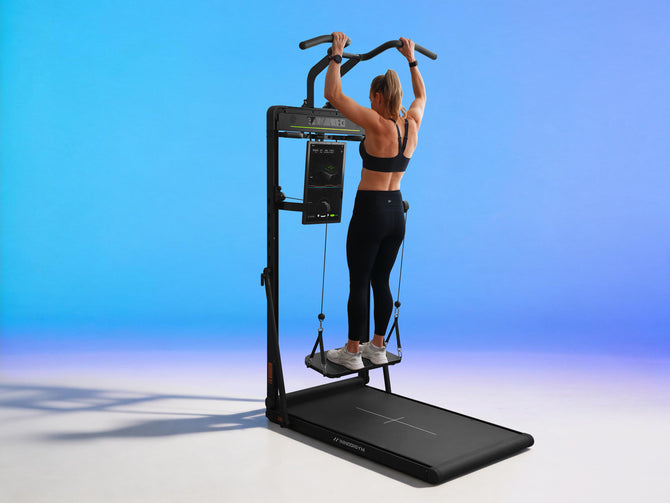
Home Gym Machines: For those with space and budget, home gym systems offer an all-in-one solution for strength training. These machines often include cable systems, weight stacks, and adjustable benches, allowing you to perform multiple exercises without needing separate equipment.
3. Functional Fitness Equipment
Functional fitness is all about improving your ability to perform everyday activities. Functional equipment helps enhance balance, flexibility, and strength through movements that mimic real-life tasks. Some essential functional fitness equipment includes:
-
Suspension Trainers: Tools like TRX allow you to perform bodyweight exercises while suspended from a stable anchor point, making your body the resistance. They are great for developing core strength and balance.
-
Medicine Balls: These weighted balls can be thrown, caught, or used for various exercises to improve power, coordination, and core strength.
-
Foam Rollers: While primarily used for recovery, foam rollers are excellent for improving flexibility and reducing muscle tightness, making them a must-have for any fitness enthusiast.
Choosing the Right Fitness Equipment for Your Goals
The type of fitness equipment you choose should align with your personal fitness goals. Let’s explore how to match equipment to different objectives:
1. Weight Loss and Cardiovascular Health
If your primary goal is to lose weight or improve cardiovascular health, investing in cardio equipment is crucial. Machines like treadmills, stationary bikes, and elliptical trainers can help you burn calories efficiently while improving heart and lung health.
Additionally, incorporating a jump rope or rowing machine can diversify your routine and keep you engaged.
2. Building Muscle and Strength
For muscle building, resistance equipment like dumbbells, kettlebells, barbells, and resistance bands are essential. Home gym systems can also be a valuable addition for those looking to target specific muscle groups with adjustable weights and cable pulleys.
To maximize muscle gain, focus on compound movements that engage multiple muscle groups simultaneously, such as squats, deadlifts, and bench presses.
3. Improving Flexibility and Functional Strength
Functional fitness equipment like suspension trainers, medicine balls, and balance boards are ideal for individuals who want to improve overall strength, flexibility, and coordination. Functional training often incorporates movements that mimic daily activities, helping prevent injuries and enhance performance.
Foam rollers and yoga mats are also essential tools for enhancing flexibility and speeding up muscle recovery after intense workouts.
Setting Up a Home Gym
Creating a home gym allows you to take control of your fitness routine in a comfortable, private space. Here are a few steps to get started:
-
Evaluate Your Space: Consider the size and layout of the area you plan to dedicate to your gym. Whether it’s a spare room, basement, or garage, measuring the space will help you determine what fitness equipment fits best.
-
Start with the Essentials: Beginners can start small with a few key items like dumbbells, resistance bands, and a stability ball. As you progress, you can add more specialized equipment like a treadmill or barbell set.
-
Consider Multi-functional Equipment: If space is limited, opt for equipment that serves multiple purposes, like an adjustable bench or compact home gym system. Resistance bands, suspension trainers, and foldable equipment are great space-saving options.
-
Add Flooring and Accessories: Non-slip flooring, yoga mats, and foam rollers can make your home gym more comfortable and functional. Mirrors, music systems, or TV screens can also add to the ambiance, keeping you motivated during workouts.
-
Budget Smartly: High-quality fitness equipment can be a significant investment, but it doesn’t have to break the bank. Consider buying second-hand equipment or starting with a few essential pieces and gradually expanding your collection.
Maintaining Your Fitness Equipment
Once you've invested in fitness equipment, it’s important to maintain it to ensure longevity and safe use. Here are a few tips to keep your gear in top shape:
-
Regular Cleaning: After each workout, wipe down your equipment with a damp cloth to remove sweat and prevent bacteria build-up. For machines like treadmills or stationary bikes, use specific cleaning products that won’t damage the surfaces.
-
Lubricate Moving Parts: Cardio machines like treadmills and ellipticals often have moving parts that need regular lubrication to reduce friction and extend their lifespan.
-
Inspect for Wear and Tear: Periodically check for signs of damage or wear, especially on weight-bearing equipment like dumbbells, barbells, and resistance bands. Replace worn-out parts or equipment to ensure safety.
-
Follow Manufacturer Guidelines: Always refer to the user manual for maintenance instructions, and if in doubt, seek professional servicing for more complex equipment like home gyms or treadmills.
Still need a hand?
Send us the order number and what happened. A real person on the INNODIGYM team will pick it up.


