


Customer support
Exercise Fitness: A Comprehensive Guide to Staying Fit and Healthy
Exercise fitness is a cornerstone of a healthy lifestyle, offering numerous physical and mental benefits. Whether you're aiming to build muscle, improve cardiovascular health, or simply maintain your overall well-being, incorporating regular exercise into your routine is essential. In this blog, we’ll explore the importance of exercise fitness, its various types, and tips on how to create an effective workout plan tailored to your needs.
1. Why Exercise Fitness Matters
Regular exercise has been shown to have significant positive effects on both physical and mental health. It helps to improve cardiovascular endurance, build muscle strength, enhance flexibility, and maintain a healthy weight. Moreover, engaging in regular physical activity can reduce the risk of chronic conditions such as heart disease, diabetes, and hypertension. Beyond physical health, exercise has mental benefits, including reducing stress, improving mood, and enhancing cognitive function.
Key Benefits of Exercise Fitness:
- Increases strength and endurance
- Enhances flexibility and mobility
- Supports weight management
- Improves mental health and reduces stress
- Lowers the risk of chronic diseases
2. Types of Exercise for Comprehensive Fitness
To achieve a well-rounded fitness routine, it’s important to incorporate different types of exercise that target various aspects of health and fitness. A balanced approach ensures you address endurance, strength, and flexibility.
Cardiovascular Exercise: Cardio workouts are essential for improving heart and lung health, boosting endurance, and burning calories. Examples include running, cycling, swimming, and aerobic exercises. These activities get your heart rate up and improve blood circulation, making them critical for overall cardiovascular health.
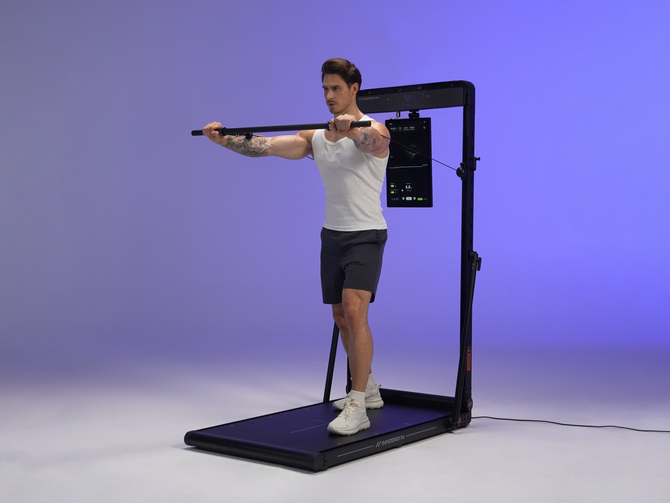
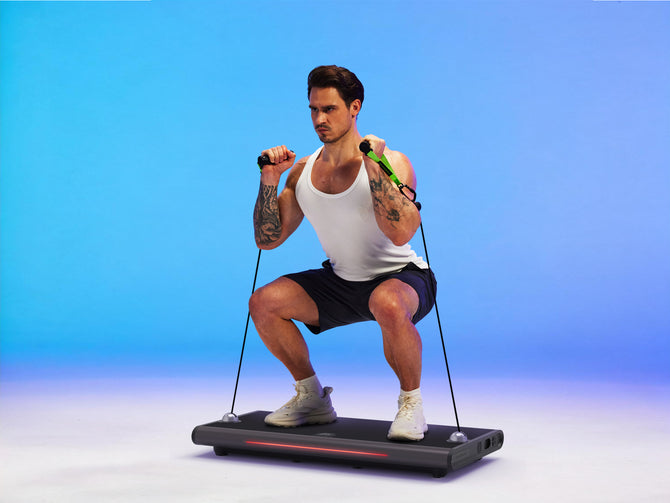
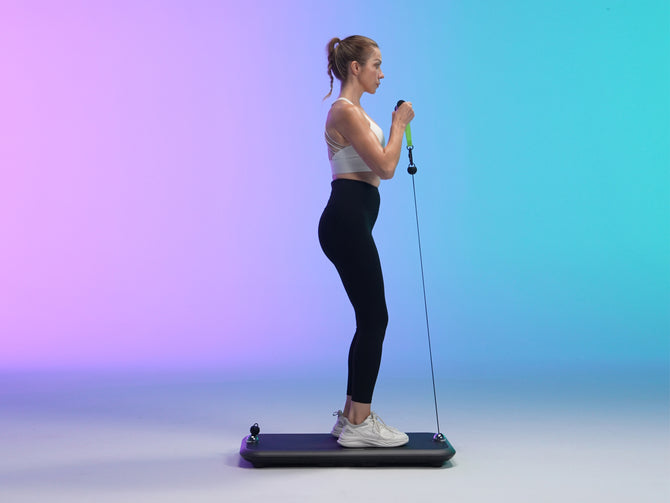
Strength Training: Building muscle strength is crucial for maintaining bone health, enhancing metabolism, and preventing injuries. Strength training can be done with bodyweight exercises, resistance bands, or weightlifting. Exercises such as squats, push-ups, and deadlifts target different muscle groups and improve muscle tone and strength.
Flexibility and Mobility Training: Stretching exercises and yoga are vital for maintaining flexibility, reducing muscle stiffness, and preventing injuries. Flexibility exercises ensure your muscles and joints move through their full range of motion, which is essential for functional fitness and everyday activities.
Balance and Stability Training: Balance exercises, often overlooked, are crucial for preventing falls and improving coordination, especially as you age. Activities like tai chi, Pilates, or using balance boards can strengthen stabilizer muscles and improve core stability.
3. Creating an Effective Exercise Fitness Plan
To get the most out of your exercise fitness routine, it’s important to create a structured plan that suits your goals, fitness level, and lifestyle. Here are some steps to help you build an effective workout program:
Set Clear Goals: Whether you want to lose weight, build muscle, or improve your endurance, setting specific, measurable, and achievable goals is the first step. For example, instead of just aiming to "get fit," target running a certain distance or lifting a specific amount of weight within a set timeframe.
Balance Your Routine: Ensure your plan includes a mix of cardio, strength training, and flexibility exercises. A well-rounded routine might involve three days of strength training, two days of cardio, and one or two days dedicated to yoga or stretching.
Gradually Increase Intensity: Progression is key to seeing results in your fitness journey. Gradually increase the intensity or duration of your workouts as your body adapts. This might mean adding more weight to your strength exercises or extending the time you spend running.
Prioritize Recovery: Recovery is an often-overlooked aspect of exercise fitness. Give your muscles time to recover between intense workouts by incorporating rest days and stretching into your routine. Adequate sleep and proper hydration also play important roles in recovery and overall performance.
4. Exercise Fitness at Home
With busy schedules and the increasing demand for home workouts, building an effective exercise routine without the need for a gym is more accessible than ever. You can use minimal equipment, such as resistance bands, dumbbells, and a yoga mat, to perform a full-body workout in the comfort of your home.
Home Workout Ideas:
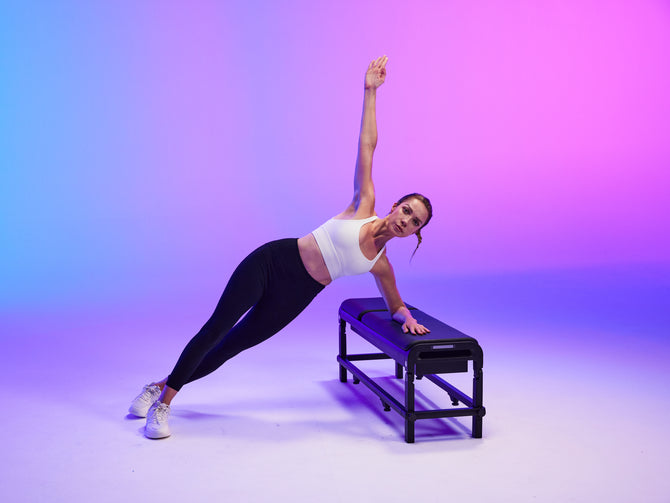
- Bodyweight Exercises: Squats, lunges, push-ups, and planks can be done anywhere and require no equipment. These exercises target major muscle groups and are great for strength training.
- Cardio at Home: Jumping jacks, high knees, and running in place are easy ways to get your heart rate up without any equipment.
- Yoga and Stretching: Follow online yoga classes or perform a series of stretches to improve flexibility and reduce muscle tension.
5. Staying Consistent with Your Exercise Fitness Routine
Consistency is key when it comes to exercise fitness. Developing a routine that fits your schedule and sticking to it will yield long-term results. Here are a few tips to help you stay on track:
- Create a Schedule: Plan your workouts in advance and treat them like appointments. This helps ensure you dedicate time to fitness, even on busy days.
- Find a Workout You Enjoy: Choose exercises and activities you genuinely enjoy to make your workouts feel less like a chore and more like a fun part of your day.
- Track Your Progress: Keep track of your workouts and progress, whether it’s through a fitness app or journal. Monitoring your achievements can be highly motivating.
Still need a hand?
Send us the order number and what happened. A real person on the INNODIGYM team will pick it up.


