


Customer support
Achieve Stronger Legs and Overall Fitness with Effective Workouts and Recovery Techniques
Building strength and endurance is essential for anyone serious about improving their fitness, and focusing on your legs and overall body will help you reach those goals. From squats to plyometrics, targeting different muscle groups with the right exercises and recovery techniques is key. Here, we’ll explore the best ways to build muscular endurance, improve your core, and incorporate stretches and recovery methods to maintain peak performance.
Building Leg Strength with Squats and Plyometrics
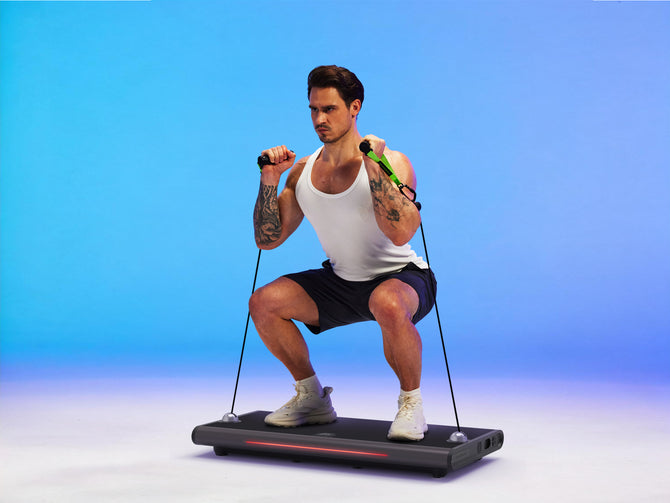
One of the most effective exercises for building strength in your legs is the squat. Squats target key muscles such as your quadriceps, hamstrings, and glutes. Whether you’re using just your body weight or adding dumbbells, squats should be a staple in any leg workout routine. If you’re looking to take your training to the next level, adding plyometric movements—explosive exercises like jump squats—can increase power and endurance in your legs, helping with overall agility and athletic performance.
Hamstring and Hip Stretches for Flexibility
While building strength is important, flexibility is equally crucial, especially for injury prevention. Incorporating hamstring stretches into your routine can improve the flexibility of your hamstring muscles, helping to avoid strains and injuries. Other effective stretches include hip stretches, which target the hip flexors and help release tension in your lower body. Regular stretching is key, especially before and after exercises like squats or cardio workouts to keep your body limber and ready for action.
Strengthening the Core for Stability
Your legs aren’t the only area to focus on. Strong legs need support from a stable core. Incorporating core workouts like crunches can improve balance, stability, and posture. A strong core is also crucial for performing other exercises, such as the incline dumbbell press or isometric exercises, which require stability and muscle endurance. These core exercises complement lower body training by ensuring that your entire body works together as one efficient unit.
Tricep and Chest Exercises for Upper Body Strength
While focusing on legs and core, don’t forget about your upper body. Strengthening your upper body with tricep exercises and chest exercises like the incline dumbbell press is essential for balanced overall fitness. Tricep dips, for example, are a great way to build upper arm strength, while the incline press targets the upper chest muscles, giving you a well-rounded upper body workout. Mixing these exercises with your leg routine ensures that you’re building strength across your whole body.
Muscular Endurance and Isometric Exercises
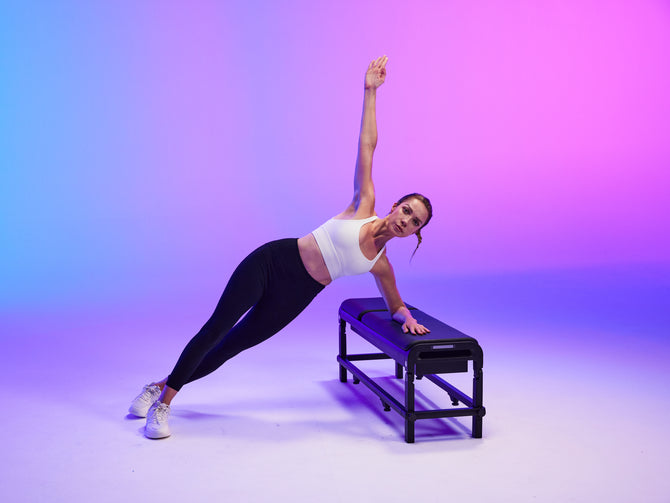
Building muscular endurance is another important aspect of a well-rounded fitness program. Endurance exercises help your muscles sustain activity over time, which is especially helpful for activities like running or long-duration strength exercises. Isometric exercises, such as holding a squat or plank, are particularly effective for building endurance in your legs and core. These static movements challenge your muscles to maintain tension for extended periods, improving both strength and endurance.
Recovery and Injury Prevention with Stretches and Ice Baths
Recovery is an essential part of any fitness routine, and it can’t be overlooked. To recover properly after intense leg workouts, you should include stretches for lower back pain and the use of a foam roller to relieve muscle tightness. Foam rolling can help break up muscle knots and increase blood flow, aiding recovery. For more intense recovery, consider an ice bath to reduce inflammation and muscle soreness, especially after activities that involve high-impact exercises like running or plyometrics.
Nutritional Support: Fiber and Protein
In addition to focusing on workouts, your diet plays a vital role in your fitness journey. Consuming fiber-rich foods, such as fruits, vegetables, and whole grains, supports digestive health and ensures that your body has the energy to perform at its best. Combining fiber with high-protein foods will help in muscle repair and growth, especially after intense workouts.
Cardio and Endurance: Marathon and Beyond
Incorporating cardio into your routine is important for maintaining heart health and endurance. Whether you're running a quick 5K or training for longer distances, understanding how long is a marathon and preparing accordingly is crucial. Apps like Strava allow you to log your progress, track runs, and monitor improvements. A good balance of strength and cardio training ensures that you’re fit across the board.
Still need a hand?
Send us the order number and what happened. A real person on the INNODIGYM team will pick it up.


